Should I Quit My Job?
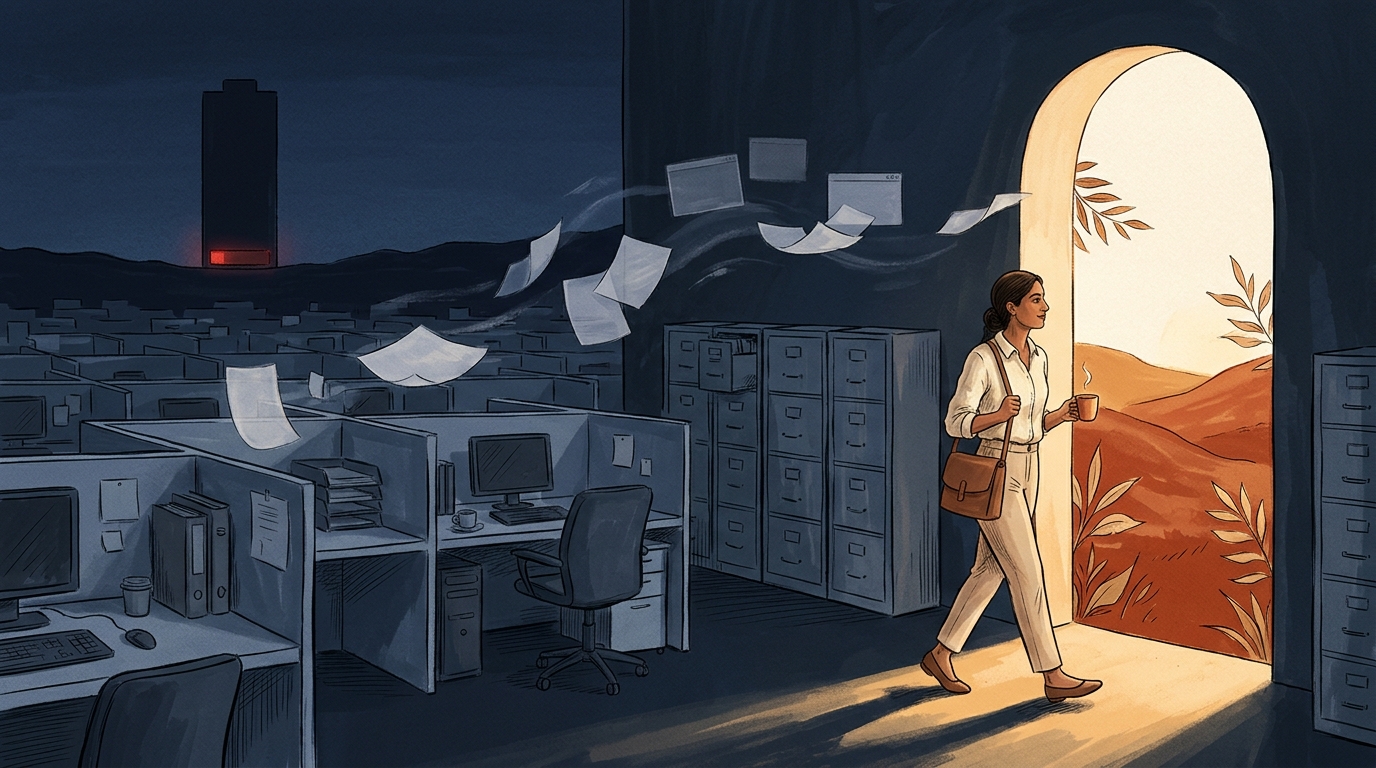
It's Sunday night. Your alarm isn't even set, but you're already stressed about Monday. You tell yourself, "Maybe next week will be better." Sounds relatable ?
If you've been Googling "Should I quit my job?" At 3AM, overthinking everything or mentally resigning every other day, maybe it's time to stop and listen to yourself.Not every bad day means you should quit. Bad days happen. But when every day starts feeling like a bad day, something needs to change.
7 Signs It's Time to Quit Your Job
1. You're tired even after resting.
You spend your weekend sleeping, relaxing, and doing absolutely nothing. Yet Monday arrives, and you're still running on 2% battery. If your job constantly leaves you feeling drained, it's worth asking why.
2. You're stuck in the same routine.
Same work. Same tasks. Same routine. Nothing new to learn, no growth, no excitement. It feels like your career is going nowhere, and you're just showing up because you have to.
3. Your mental health is getting worse.
You're constantly stressed, overthinking everything, or feeling anxious before going to work. Even after leaving the office, your mind is still there. Your job shouldn't take over your entire life.
4. You're doing more work but getting paid the same.
Your workload keeps increasing, but your salary doesn't. You're taking on extra responsibilities, doing everyone's work, and somehow your paycheck hasn't got the memo. At some point, you have to ask yourself if it's really worth it.
5. Your workplace is toxic.
Your boss makes you feel small. Office politics never end. You're scared of speaking up, and disrespect has somehow become normal. That's not something you should have to accept just because it's called a job.
6. You no longer feel connected to the company.
Maybe you joined with excitement, but things don't feel the same anymore. You don't agree with how the company works, treats people, or makes decisions. And pretending to be okay with it every day is exhausting.
7. You keep thinking about leaving.
You imagine working somewhere else, starting your own business, trying a new career, or simply having a life where you don't wake up dreading work. If the thought of leaving keeps coming back, maybe it's time to figure out what's making you feel this way.
If two or three of these sound familiar, take some time to think about what's going wrong. But if almost all seven sound like your daily life, maybe it's time to start planning your next move.
Let’s Be Real Quitting Your Job Isn't Always Easy
Before you send that resignation email at 11:47 PM, let's talk about what actually happens after you quit. It's not always a dramatic movie moment where you walk out of the office, smile, and suddenly everything in life falls into place.
There can be money stress, confusion, self-doubt and most importantly relatives asking, "Ab kya karega?”
That's why it's better to plan before you leave.
- Try to save at least 3–6 months of expenses.
- Learn a new skill that can help you find another job.
- Update your resume, portfolio, and LinkedIn.
- Start looking for other opportunities.
- Don't resign just because you had one really bad day.
You don't have to leave tomorrow. You just need to start preparing for a better tomorrow.
What Happens When You Leave a Job That's Draining You?
Sometimes, leaving a job changes more than just your workplace. It changes how you feel.You sleep better. You stop thinking about office drama after hours. You have time for your hobbies, friends, family, and things you actually enjoy.And guess what? You might start performing better, too.Imagine your brain is a phone with 47 apps running in the background. Of course, it's going to lag. It doesn't need more pressure. It needs a break.When you work somewhere that respects you, supports your growth and gives you space to do your job, things can feel a lot different. You have more energy, better ideas and the confidence to actually do your work.
It's Never Too Late
Take Falguni Nayar, for example. She spent years working in investment banking before leaving her job at the age of 50 to start Nykaa.At a time when many people think they should simply stick to what they know, she chose to try something new. Nykaa went on to become a publicly listed company, and her journey showed that you don't need to follow one fixed timeline to be successful.But starting over doesn't have to mean building a huge company.It could mean finding a job where you're respected, switching careers, learning something new, or simply choosing a life that doesn't leave you exhausted every day.You don't need to have everything figured out. You just need to be willing to take the next step.
It's Okay to Choose Yourself
Your job is a part of your life. It isn't your entire life.You can be grateful for the opportunity and still want to leave. You can appreciate what a job taught you without staying forever. You can leave a place without hating everyone in it.Just make sure you're making a decision for yourself, not out of anger or one really bad day. Save some money, figure out what you want next, and give yourself a plan.You don't have to keep forcing yourself to stay somewhere you're unhappy just to prove you're strong.
Sometimes, the best career move isn't getting a promotion or a bigger paycheck.Sometimes, it's finally choosing yourself.